Planning a Bathroom Renovation: A Step-by-Step Guide
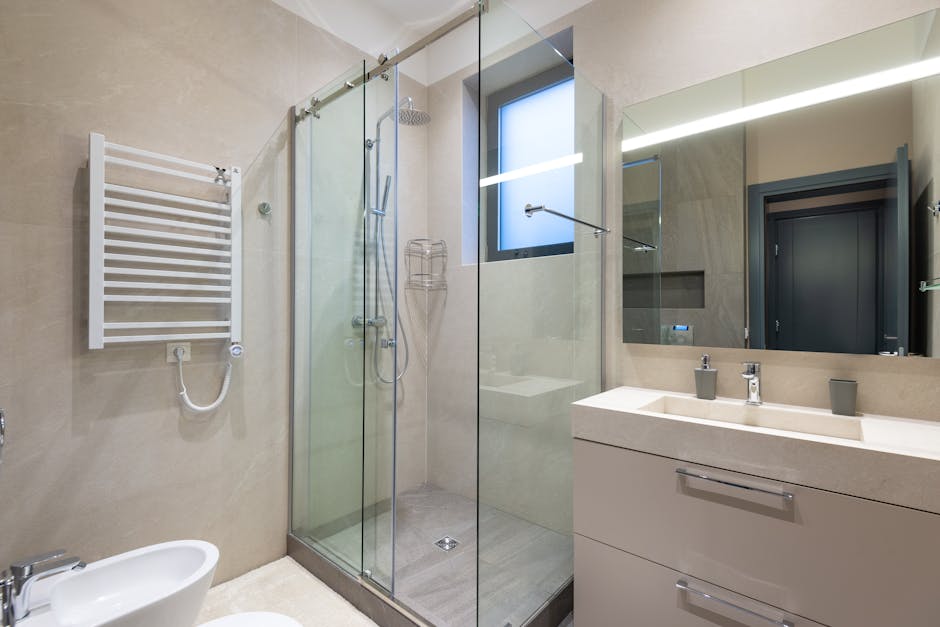
A bathroom renovation can transform one of the most-used rooms in your home. Whether you're updating an outdated suite or completely redesigning the space, proper planning ensures the project runs smoothly and stays within budget.
Define Your Goals and Budget
Start by clarifying what you want to achieve. Are you modernising an old bathroom, improving functionality, or completely changing the aesthetic? Next, establish a realistic budget. Include contingency—typically 10-15% extra—for unexpected issues like hidden damp or structural problems. Research typical costs for bathroom renovations in your area to ensure your budget is realistic.
Assess Your Current Space
Take accurate measurements of your bathroom and note existing plumbing, electrical, and ventilation locations. Identify any current problems like damp, poor ventilation, or damaged tiles. These must be addressed during renovation. Consider whether you're working within the existing layout or moving plumbing—the latter significantly increases costs.
Design and Choose Fixtures
Browse design inspiration from magazines, websites, and showrooms. Consider the style you want, the colour scheme, and how fixtures will be arranged. Choose quality sanitaryware and fittings that suit your budget and lifestyle. Remember that trends change, so opt for classic designs that won't feel dated in five years. Plan storage solutions carefully—bathrooms always need more storage than you initially think.
Plan the Ventilation and Heating
Proper ventilation prevents damp and mould. If your bathroom lacks a window, install an extractor fan. Consider heated towel rails or underfloor heating for comfort. These decisions affect both comfort and long-term maintenance, so don't overlook them.
Obtain Necessary Approvals
Some bathroom work requires Building Regulation approval, particularly if you're moving plumbing or making structural changes. Check with your local authority. Electrical work must comply with current regulations and should be carried out by a qualified electrician. Your contractor should advise on what approvals are needed.
Select Your Contractor
Find experienced bathroom specialists who can handle both plumbing and joinery work. Get multiple quotes, check references, and verify insurance. Ensure they understand your vision and can explain their approach to common challenges like waterproofing.
Plan the Timeline
Bathroom renovations typically take 2-4 weeks depending on complexity. Discuss the schedule with your contractor, including how you'll manage without a functioning bathroom during the work. Ask about daily working hours and site management.
Manage the Project
Maintain regular communication with your contractor. Address any issues immediately rather than waiting until completion. Take photos throughout the process to document the work. Be prepared for minor changes as the project progresses—contractors often discover issues hidden behind walls or existing fittings.
Final Inspection and Snagging
Before paying final invoices, conduct a thorough inspection. Check all plumbing works, electrical connections, tiling, and finishes. Create a snagging list of any minor issues needing correction. Request copies of warranties and guarantees for all work and materials.
A well-planned bathroom renovation delivers a beautiful, functional space you'll enjoy for years to come.